Why You May Need a Dental Crown After Root Canal Therapy
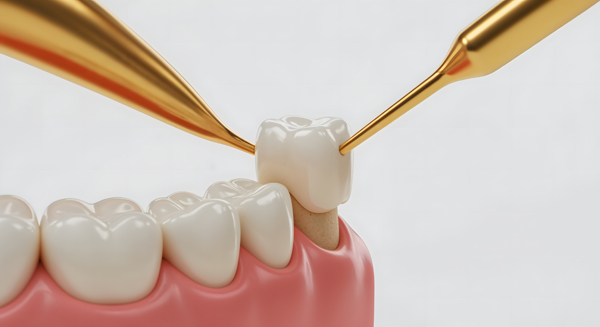
Root canal therapy is often the final step in saving a severely damaged or infected tooth. However, in most cases, a general dentist will recommend placing a dental crown after root canal therapy to contribute to your long-term oral health. This restoration strengthens and protects the treated tooth, helping the tooth to maintain its function, strength, and appearance.
Understanding root canal therapy
Root canal therapy involves removing infected or damaged pulp from inside a tooth. The pulp contains the tooth's inner nerves and blood vessels. When decay or trauma reaches the pulp, infection can occur, causing pain and inflammation.
During the procedure, the dentist removes the infected tissue. Then, they clean and disinfect the canal to prevent remaining bacteria from reinfecting the tooth. Finally, the dentist seals it with a biocompatible material to further protect it from damage.
Why dentists recommend dental crowns after root canal therapy
A dental crown serves as a protective covering that restores both the structure and strength of the treated tooth. While this process effectively eliminates pain and infection, it also leaves the tooth more fragile and susceptible to damage. The removal of the pulp removes the tooth's natural blood and water supply, which leads to dehydration, leaving the tooth brittle. The procedure also requires removing a portion of the tooth's internal structure, further weakening it and leaving it susceptible to chips, cracks, or breaks under normal chewing forces.
Fortunately, placing a dental crown provides the necessary reinforcement to withstand daily use. The crown acts as a barrier against fractures and further decay, extending the life of the tooth. It also restores the tooth's natural appearance, blending seamlessly with the surrounding teeth.
The benefits of a dental crown after root canal therapy
Protects the tooth structure
Teeth that undergo root canal therapy often lose a significant portion of their original structure due to decay or damage. This loss of enamel and dentin compromises stability. A dental filling alone may not offer enough support to prevent future issues.
A dental crown covers the remaining tooth structure, distributing bite pressure evenly across the tooth. This design reduces the risk of cracks or fractures and restores the tooth's natural function. For molars and premolars, which endure greater chewing forces, crowns are particularly important for long-term durability.
Improves comfort and appearance
Beyond structural protection, a dental crown also improves the patient's comfort and the appearance of their smile. After root canal therapy, the treated tooth can sometimes appear darker or discolored. Fortunately, a crown can restore a natural, uniform color, improving the overall appearance of the tooth.
Additionally, dental crowns eliminate sensitivity that may occur after the procedure as they completely seal the tooth. This protective barrier prevents temperature changes and pressure from affecting the inner layers of the tooth. As a result, the patient can continue to consume their favorite drinks and foods without the fear of discomfort.
Long-term benefits of choosing a dental crown
A well-placed and maintained dental crown can extend the life of a tooth for many years. Since the restoration maintains the natural tooth's function, it can reduce the need for more complex treatments, such as extractions and implants. Additionally, with the right oral care and routine dental visits, crowns can last more than a decade, depending on the material used.
Do you need a dental crown after a root canal?
Root canal therapy is a safe and effective procedure that saves a tooth from extraction. However, it is not always enough to ensure full restoration. Fortunately, a dental crown provides the protection and strength your tooth needs post-treatment. Do you need a dental crown after root canal treatment? Give our Denver office a call to schedule a consultation.
Request an appointment here: https://58peaksdental.com or call 58 Peaks Dental at (303) 223-6228 for an appointment in our Denver office.
Check out what others are saying about our dental services on Yelp: Dental Crowns and Dental Bridges in Denver, CO.
Related Posts
When a sports-related collision or fall occurs, an emergency dentist helps protect teeth, gums, and the jawbone from lasting harm. Dental trauma often looks minor at first, yet hidden cracks or nerve injuries may develop quickly. Acting fast supports comfort now and better outcomes later. Knowing what first steps to take can make all the…
Dentures restore chewing power and an aesthetically pleasing smile, but the right food choices help everything feel natural. During the first few days, soft textures build comfort while you can learn new habits. With simple techniques and smart options, eating with dentures becomes easy and enjoyable. Here are some examples of what denture wearers can…
Tooth extraction is a common dental procedure that may be necessary for various reasons, including decay, infection, or overcrowding. After undergoing a tooth extraction, it is crucial to follow proper care instructions to ensure a smooth and successful healing process. Understanding the dos and don'ts after a tooth extraction can help prevent complications, reduce pain,…
An estimated 22 million Americans have sleep apnea, and well over half of individuals with obstructive sleep apnea have a moderate to severe case. A general dentist studies and understands why sleep apnea occurs and can effectively treat it with oral appliances and other treatment methods. Sleep apnea is a common condition in which the airway…